
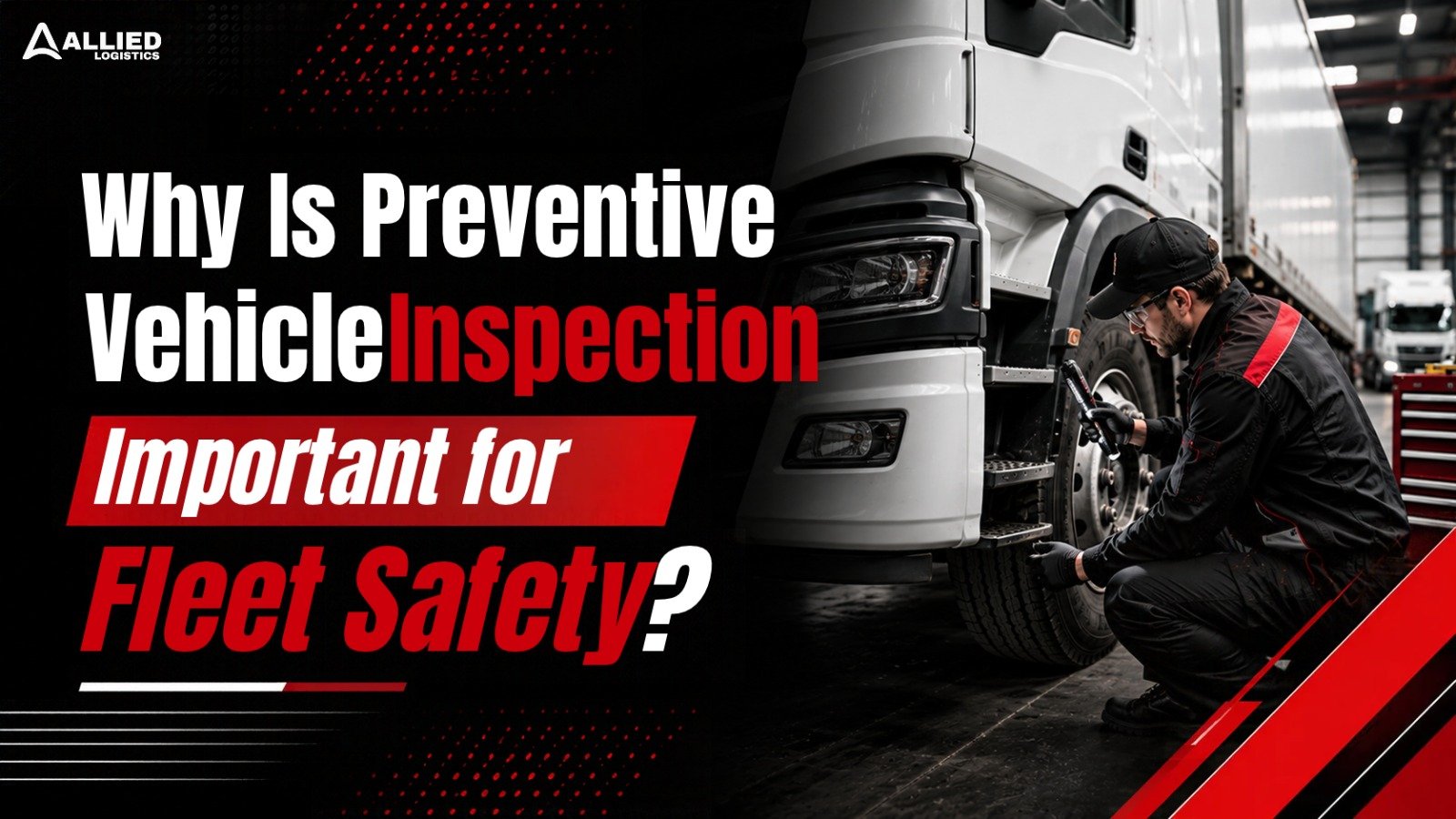
Vehicle safety is an important part of transportation and logistics operations. Businesses that manage multiple vehicles must ensure their fleets remain in suitable operating condition to support reliable transportation and timely deliveries. Regular vehicle inspections help identify mechanical issues, assess vehicle condition, and reduce the chances of unexpected breakdowns during transportation.
Preventive vehicle inspection involves checking important vehicle components before they develop into serious operational problems. It allows fleet operators to identify potential safety concerns, maintain vehicle performance, and support safer road freight operations.
1. Identifying Mechanical Problems Early
Vehicles used for transportation regularly experience wear and tear due to long-distance travel, changing road conditions, and frequent operations. Mechanical problems that remain unnoticed can affect vehicle performance and create safety risks.
Preventive inspections help identify issues such as engine problems, fluid leaks, damaged belts, and unusual mechanical noises. Detecting these concerns early allows maintenance teams to address them before they lead to major equipment failures.
2. Maintaining Brake System Performance
The braking system is one of the most important safety components of a commercial vehicle. Freight vehicles often carry heavy loads, making properly functioning brakes essential for maintaining control during transportation.
Regular inspections should include brake pads, brake discs, brake fluid, and other braking components. Identifying worn or damaged parts helps maintain braking efficiency and reduces the risk of brake-related incidents.
3. Checking Tyres and Wheel Condition
Tyres directly affect vehicle stability, handling, and road grip. Incorrect tyre pressure, uneven tread wear, and damaged tyres can increase the risk of accidents, particularly when vehicles travel with heavy cargo.
Fleet operators should regularly inspect tyre pressure, tread depth, wheel condition, and visible damage. Proper tyre maintenance also supports better fuel efficiency and helps reduce unnecessary vehicle downtime.
4. Improving Vehicle Reliability and Reducing Downtime
Unexpected vehicle breakdowns can interrupt transportation schedules, delay deliveries, and increase maintenance costs. For logistics companies, vehicle availability is important for maintaining consistent freight operations.
Preventive vehicle inspection helps identify developing faults before they cause operational disruptions. Regular checks of engine components, cooling systems, batteries, and electrical connections support vehicle reliability and help fleet operators plan maintenance activities more effectively.
5. Ensuring Safe Cargo Transportation
Commercial vehicles must remain stable and roadworthy while carrying different types of cargo. Vehicle inspections help ensure that important components, including suspension systems, tyres, lights, and load-securing equipment, are in suitable condition.
Checking cargo restraints and load distribution is also important because improperly secured freight can shift during transportation and affect vehicle stability.
6. Supporting Driver and Road Safety
Vehicle safety depends on both mechanical condition and driver awareness. Preventive inspections provide an opportunity to identify potential hazards before a vehicle begins its journey.
Drivers and maintenance teams should check headlights, indicators, mirrors, windscreen wipers, steering systems, and other essential components. Maintaining these systems helps improve visibility, vehicle control, and overall road safety.
Best Practices for Preventive Fleet Vehicle Inspection
Businesses can strengthen fleet safety by following a consistent vehicle inspection routine:
- Conduct pre-trip and post-trip vehicle checks.
- Inspect brakes, tyres, lights, and steering components regularly.
- Monitor engine oil, coolant, and other essential fluid levels.
- Check cargo restraints and load distribution.
- Maintain vehicle inspection and maintenance records.
- Address identified mechanical issues before returning vehicles to service.
These practices help fleet operators maintain vehicle condition and support safer transportation activities.
Frequently Asked Questions
1. What is preventive vehicle inspection?
Preventive vehicle inspection is the regular examination of vehicle components to identify potential mechanical problems and safety concerns before they cause breakdowns or operational disruptions.
2. How often should fleet vehicles be inspected?
Fleet vehicles should undergo basic checks before and after trips, along with scheduled inspections based on manufacturer recommendations, vehicle usage, and applicable safety requirements.
3. Which vehicle components should be checked during an inspection?
Important components include brakes, tyres, engine systems, steering, suspension, lights, batteries, fluid levels, and cargo-securing equipment.
4. How does preventive inspection improve fleet safety?
It helps identify mechanical faults early, maintain vehicle roadworthiness, reduce unexpected breakdowns, and support safer transportation operations.
Conclusion
Preventive vehicle inspection plays an important role in maintaining fleet safety and supporting reliable transportation operations. Regular checks of mechanical systems, brakes, tyres, electrical components, and cargo restraints help identify potential problems before they affect vehicle performance or road safety.
For logistics businesses, maintaining a consistent inspection routine supports better fleet management, reduces unexpected downtime, and helps ensure that vehicles remain suitable for daily freight transportation.